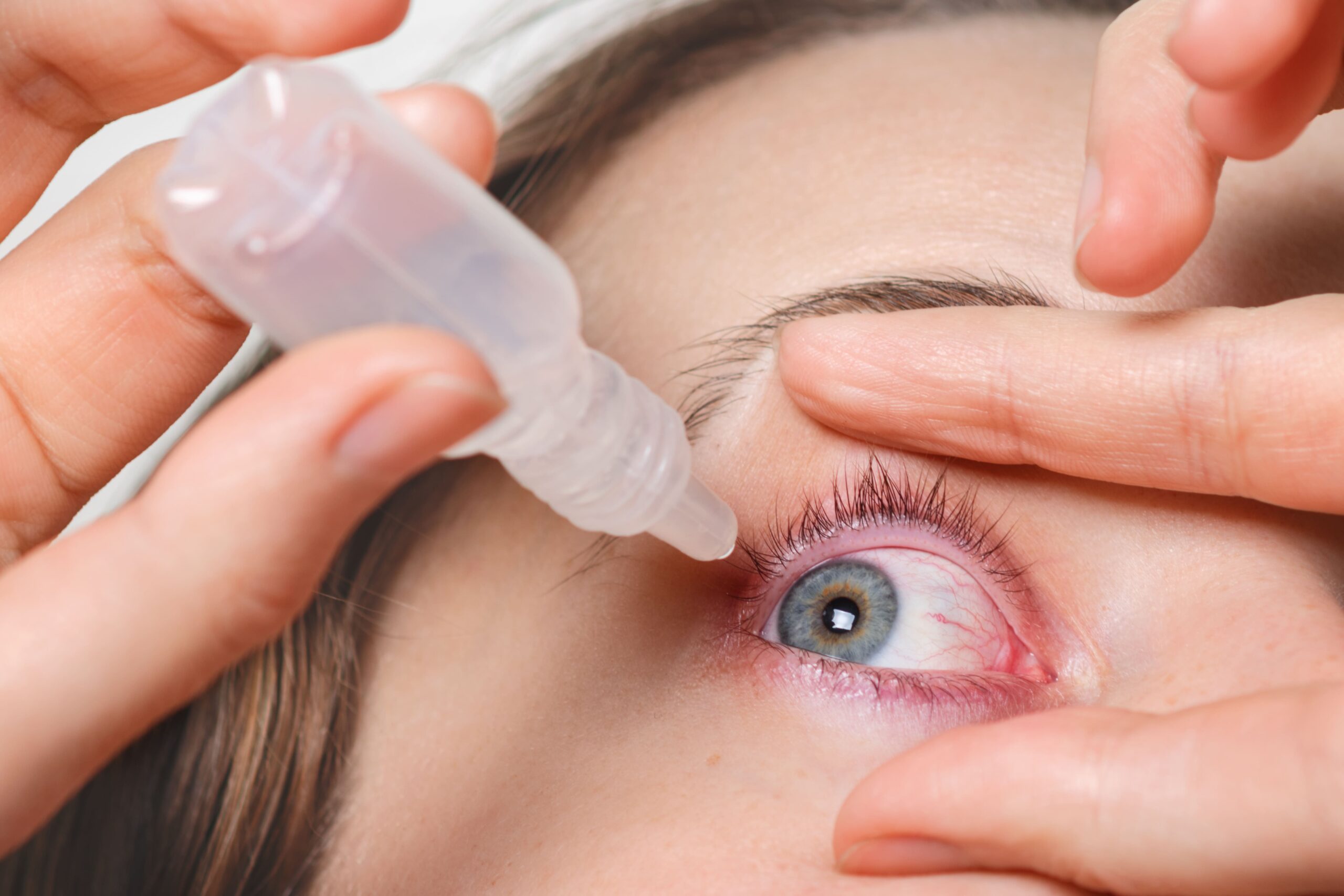
Dry Eyes: Causes, Symptoms, Treatment & Prevention (Complete Guide)
What Are Dry Eyes?
Dry eyes—also known as Dry Eye Syndrome or Keratoconjunctivitis Sicca—occur when your eyes don’t produce enough tears or the tears evaporate too quickly. This common condition affects millions of people and can significantly impact comfort, focus, and vision.
Common Causes of Dry Eyes
Understanding the root causes of dry eye symptoms helps in choosing the right treatment. The most common causes include:
- Digital Eye Strain
Staring at screens reduces blinking, causing tears to evaporate faster
- Aging & Hormonal Changes
Tear production naturally decreases with age, especially in women during menopause.
Environmental Factors
Dry air, wind, smoke, air conditioning, and heating systems can worsen dry eye irritation.
Medical Conditions
Autoimmune disorders, allergies, diabetes, and thyroid issues can contribute to chronic dry eyes.
Medications
Antihistamines, antidepressants, blood pressure medication, and birth control pills may reduce tear production.
- Contact Lenses
Long-term use can disrupt natural tear film and lead to ongoing discomfort.
Dry Eye Symptoms
Dry eye syndrome can feel different from person to person, but the most common symptoms include:
Burning or stinging sensation
Red or irritated eyes
Blurry vision
Sensitivity to light
A gritty, sandy feeling
Watery eyes (a reflex to dryness)
Eye fatigue, especially after screen use
If symptoms persist, it may indicate chronic dry eye disease.
How to Treat Dry Eyes
There are many ways to relieve dry eye discomfort, from simple lifestyle changes to advanced treatments.
Artificial Tears & Eye Drops
Over-the-counter lubricating eye drops can provide quick relief. For chronic cases, preservative-free formulas are recommended.
Warm Compresses
Applying a warm compress helps unclog oil glands and improves tear quality.
Increase Humidity
Use a humidifier at home or work to reduce tear evaporation.
Screen Breaks (The 20-20-20 Rule)
Every 20 minutes, look 20 feet away for 20 seconds to prevent digital eye strain.
Omega-3 Supplements
Fish oil and flaxseed oil may improve tear production and reduce inflammation.
Prescription Treatments
Doctors may recommend anti-inflammatory drops, punctal plugs, or advanced therapies for chronic dry eyes.
Natural Remedies for Dry Eyes
If you’re looking for gentle, at-home relief, try:
Blinking exercises
Hydration (drink more water)
Eating foods rich in omega-3s (salmon, chia seeds, walnuts)
Avoiding smoke and dusty environments
Using a warm eye mask
When to See an Eye Doctor
Seek medical attention if you experience:
How to Prevent Dry Eyes
Preventing dry eyes is easier than treating them. Here are simple habits to protect your vision:
Limit screen time when possible
Wear sunglasses outdoors
Use a humidifier indoors
Keep eyes clean and makeup-free at bedtime
Adjust room temperature to reduce dryness
Conclusion
Dry eyes are incredibly common but also very manageable. With the right combination of lifestyle adjustments, eye drops, and possible medical treatment, most people can significantly reduce dry eye irritation and improve their comfort and vision.